


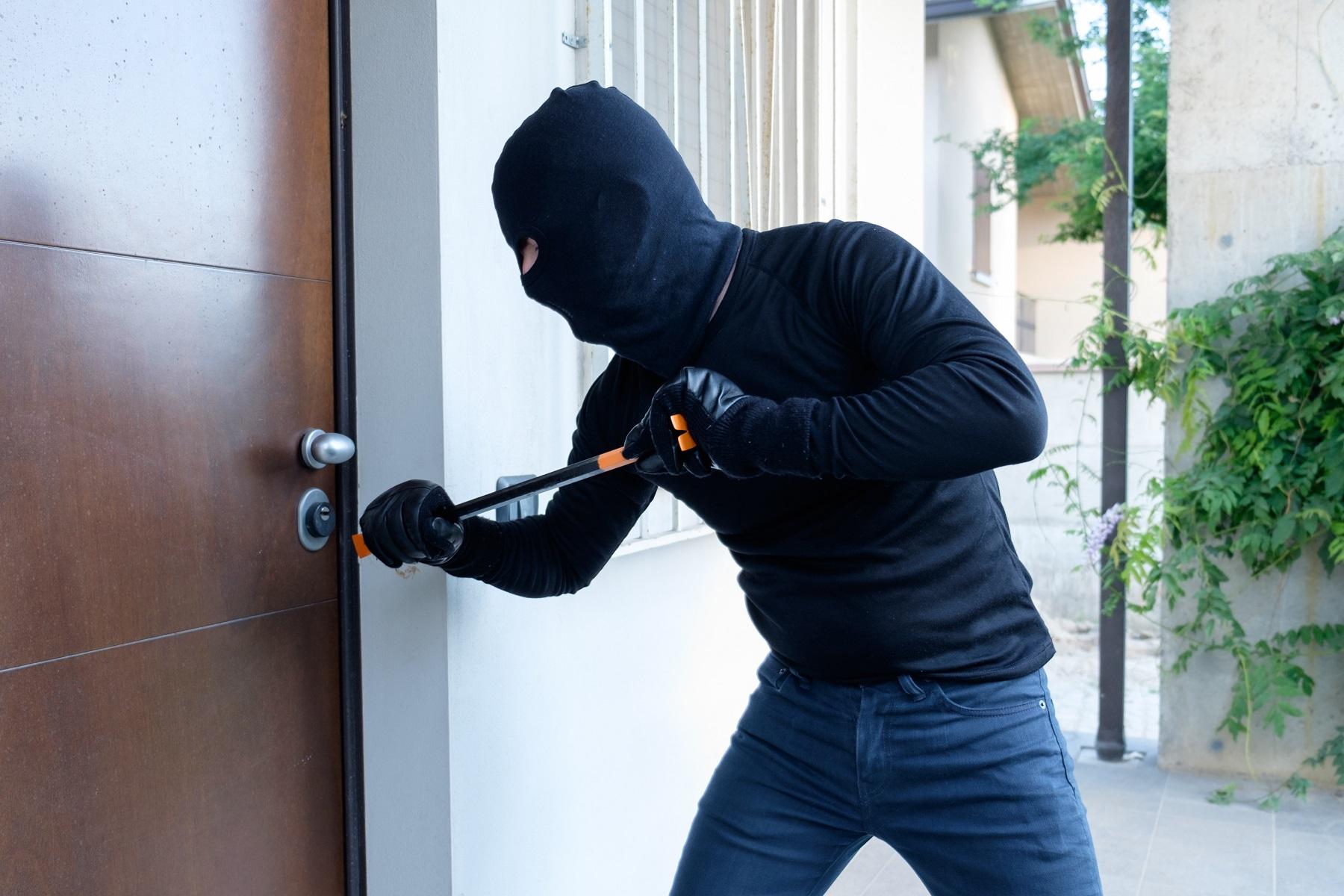
Table of Contents
- Understanding the Immediate Steps to Take When a Home Invasion Occurs
- Effective Communication Strategies for Alerting Authorities and Family Members
- Safe Hiding Techniques and Room Fortification During a Home Invasion
- Post-Incident Actions to Ensure Safety and Facilitate Law Enforcement Investigation
- In Summary
Understanding the Immediate Steps to Take When a Home Invasion Occurs
Remain as calm as possible to make clear decisions quickly. Panic can cloud judgment, so take a deep breath and focus on what you can control. If you can do so safely, retreat to a secure room and lock the door behind you. Use your phone to call emergency services immediately, providing them with your address and any information about the intruder’s location or behavior without alerting the perpetrator. Your priority is to avoid confrontation unless absolutely necessary.
Keep a mental checklist of critical actions, such as:
- Turning on a light or making noise only if it doesn’t risk detection
- Staying quiet and out of sight
- Avoiding sudden movements that might escalate the situation
- Identifying potential escape routes, if possible, without exposing yourself
Remember, the goal is to protect yourself and your loved ones while minimizing the risk of harm. Professional advice consistently emphasizes that possessions can be replaced, but human life cannot.
Effective Communication Strategies for Alerting Authorities and Family Members
In the chaos of a home invasion, remaining calm and communicating effectively can save lives. The first step is to activate emergency services discreetly. If possible, use your phone’s emergency call feature or a pre-programmed panic button. Avoid speaking directly if your call might be overheard by the intruder; instead, use silent alarm functions or send a text message to 911 services if available in your area. Prioritize clarity by sharing essential information such as your exact address, nature of the emergency, and any immediate threats without unnecessary details that might delay response.
Equally important is keeping family members informed without escalating panic. Establish a pre-arranged code word or phrase to signal danger, enabling loved ones to react appropriately without confusion. Utilize group messaging apps or voice notes to update everyone swiftly and safely while maintaining discretion. Consider these key tactics:
- Set up emergency contacts on all household phones with quick-dial options.
- Assign roles-who calls authorities, who alerts neighbors, and who manages children or elderly family members.
- Keep communication tools charged and accessible at all times, including backup power sources.
Safe Hiding Techniques and Room Fortification During a Home Invasion
When faced with the terrifying prospect of a home invasion, quickly identifying a secure hiding spot can be lifesaving. Opt for a room that can be locked from the inside and ideally has a solid core door. A closet, bathroom, or basement room can serve as excellent options. Once inside, stay low and remain as silent as possible. Keep a phone with you, charged and on silent, so you can discreetly call emergency services. If available, bring a flashlight or a makeshift weapon such as a heavy object for self-defense if needed.
Fortifying your room ahead of time drastically increases your chances of safety. Consider installing reinforced door locks, security bars, or even a door jammer that can be engaged quickly in an emergency. Cover windows with heavy curtains or blackout blinds to obscure visibility. Additionally, having a secondary escape route such as a window that opens easily or a concealed hatch can be vital. Remember, the goal is to stay unseen and protected until help arrives, so every small reinforcement counts towards creating a strong defensive perimeter inside your home.
- Install reinforced locks and deadbolts on all entry points.
- Secure windows with locks, bars, or shatterproof film.
- Keep a concealed emergency kit in the hiding area.
- Practice situational awareness to identify your safest refuge.
- Develop a pre-planned communication strategy with family members.
Post-Incident Actions to Ensure Safety and Facilitate Law Enforcement Investigation
Once the immediate threat has passed, your priority should shift towards securing your environment and documenting the scene for the authorities. Avoid touching or moving anything unnecessarily to preserve the integrity of physical evidence. Ensure that all entrances, windows, and vulnerable areas are safely secured to prevent any secondary incidents. If possible, turn on all lights and open blinds to provide law enforcement with a clear view of the premises upon arrival. Remember, your role now is to support the investigation without compromising your safety or the collection of crucial evidence.
When the police arrive, be prepared to provide a detailed account of the incident, including descriptions of the intruders, any items taken, and the sequence of events. If you took notes or recorded anything immediately after the event, share this information with them. Additionally, you should:
- Provide access: Guide officers through your home and point out areas of concern.
- Identify witnesses: Offer contact details of any neighbors or friends who saw or heard something relevant.
- Share security footage: Submit any recordings from cameras or smart devices that captured the incident.
- Follow instructions: Adhere to any further guidance law enforcement provides before leaving the scene.
In Summary
In the unsettling event of a home invasion, remaining calm and prepared can make all the difference. By understanding and implementing professional safety tips-such as creating a safe room, having an emergency plan, and knowing when to call for help-you empower yourself to protect not only your property but, most importantly, your loved ones. While no strategy can guarantee complete safety, staying informed and proactive equips you with the best possible response during a crisis. Remember, prevention and preparedness are your strongest allies in maintaining peace of mind at home. Stay safe, stay vigilant, and prioritize your wellbeing above all else.Check Our Other Blogs
- StunGun – Your Trusted Source for Stun Guns, Laws, and Self-Defense Tips
- PepperSprayLaws – Your Trusted Resource for Pepper Spray Information
- StunGunLaws – Your Trusted Guide to Stun Gun Legality and Safety