


Table of Contents
- Understanding the Core Principles of Personal Safety for Young Minds
- Building Effective Communication Skills to Empower Confidence
- Practical Strategies for Recognizing and Avoiding Unsafe Situations
- Incorporating Technology and Social Media Awareness into Safety Lessons
- In Conclusion
Understanding the Core Principles of Personal Safety for Young Minds
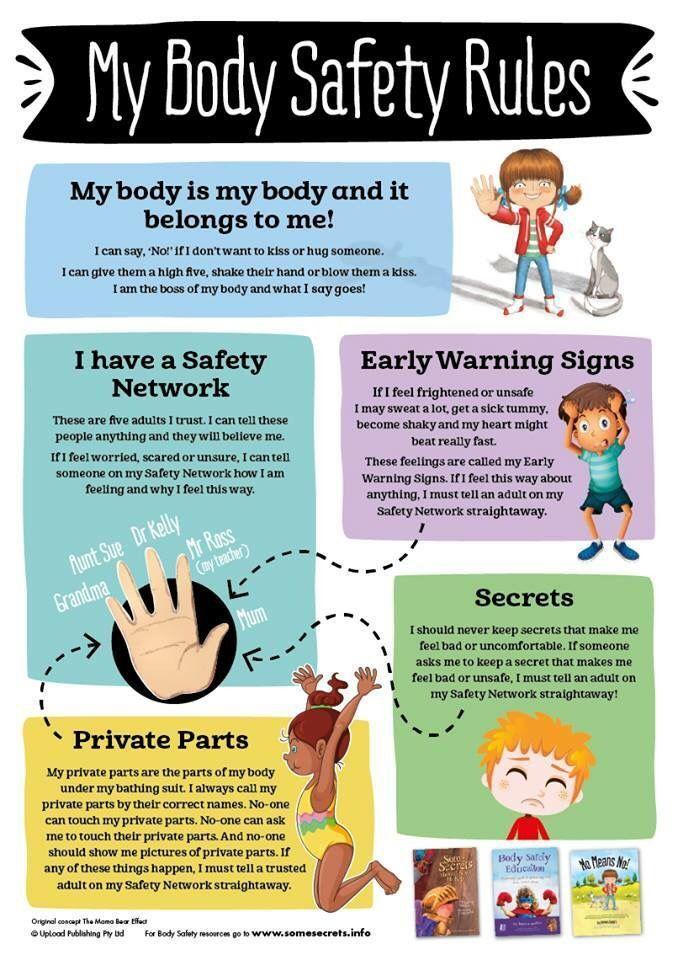
At the heart of teaching personal safety is empowering young minds with the knowledge and confidence to navigate their world securely. This begins by fostering an environment where children and teens understand the importance of setting boundaries, recognizing potential risks, and trusting their instincts. Encouraging open communication is essential; when kids feel safe discussing their experiences without fear of judgment, they are more likely to share concerns and ask for help. Additionally, teaching them to identify safe adults and how to seek assistance in challenging situations lays a strong foundation for their autonomy and well-being.
Practical safety skills involve more than just memorizing rules-they require ongoing conversations and real-life applications. Key focus areas should include:
- Understanding personal space and the right to say no to unwanted touch
- Recognizing warning signs of unsafe scenarios, such as isolation or secrecy
- Practicing safe digital habits, including protecting personal information online
- Developing emergency response plans, like memorizing contact numbers and knowing safe locations
Building Effective Communication Skills to Empower Confidence
Developing strong communication skills in children and teens is a cornerstone of personal safety education. When young individuals feel confident expressing their thoughts, fears, and boundaries clearly, they are better equipped to navigate challenging or potentially unsafe situations. Encourage open dialogue by creating a supportive environment where kids and teens can practice
assertive communication-speaking up respectfully yet firmly. Role-playing scenarios, such as saying “no” to uncomfortable requests or seeking help from trusted adults, can make a significant difference in boosting their confidence. Remember, effective communication is not just about speaking but also about actively listening and recognizing non-verbal cues, which can enhance understanding and self-assurance.Integrate the following techniques to foster empowered communication skills:
- Use clear and direct language. Encourage children to articulate their feelings and boundaries without ambiguity.
- Practice active listening skills. Teach them to pay attention to others’ words and body language, promoting empathy and awareness.
- Encourage questions. Cultivating curiosity helps kids feel more comfortable seeking clarification or help when needed.
- Build vocabulary around emotions. Helping young individuals name their feelings enables better self-expression and regulation.
Practical Strategies for Recognizing and Avoiding Unsafe Situations
Equipping kids and teens with the ability to identify potential dangers before they escalate is a cornerstone of personal safety education. Encourage them to trust their instincts-if something feels off, it probably is. Teaching subtle signs such as noticing unfamiliar behaviors, understanding body language cues like aggressive postures or overly persistent strangers, and recognizing isolated or poorly lit areas can empower young individuals to react proactively. Additionally, role-playing scenarios where they practice saying “no” firmly or using distraction techniques can boost their confidence and preparedness in real-world situations.
Incorporating a few daily habits can vastly improve safety awareness. For example, always sharing their whereabouts with a trusted adult or using location tracking apps when traveling alone can add a layer of security. Encourage them to avoid distractions such as headphones or excessive phone use in public places where situational awareness is key. Discuss the importance of staying in groups, especially after dark, and setting predetermined meeting points if separated. By breaking down these strategies into manageable steps and practicing them regularly, kids and teens can develop a natural vigilance without feeling anxious or overwhelmed.
- Trust your gut feelings and act immediately if something feels wrong.
- Stay visible by sticking to well-lit, populated routes.
- Practice assertiveness through clear communication and refusal skills.
- Keep an adult informed about your plans and expected return times.
- Limit distractions like headphones and phones when navigating public spaces.
Incorporating Technology and Social Media Awareness into Safety Lessons
In today’s digital age, it’s essential to integrate lessons on technology and social media into personal safety education. Kids and teens spend significant time online, making them vulnerable to cyberbullying, online predators, and privacy risks. Teaching them how to spot suspicious behavior, understand the permanence of digital footprints, and protect their personal information forms a crucial part of their safety toolkit. Encourage open conversations about the content they share and consume, highlighting the importance of skepticism when interacting with strangers or unverified sources on social platforms.
Practical tips to share include:
- Never sharing passwords-even with friends.
- Setting strict privacy settings on social profiles.
- Recognizing phishing attempts and fraudulent messages.
- Knowing how to block and report harmful contacts.
- Understanding that not everything online reflects real life or truth.
By embedding these habits early on, children grow empowered to navigate both their physical environments and digital spaces safely, building confidence that extends well beyond traditional boundaries.
In Conclusion
In today’s ever-changing world, equipping kids and teens with personal safety skills is more important than ever. By fostering open conversations, teaching practical strategies, and encouraging awareness, we empower young people to navigate their environments confidently and responsibly. Remember, personal safety education is an ongoing journey-one that grows with your child and adapts to new challenges. With patience, support, and the right tools, we can help our children build the critical skills they need to stay safe and thrive. Keep the dialogue going, stay informed, and together, let’s create a safer future for our kids and teens.Check Our Other Blogs
- StunGun – Your Trusted Source for Stun Guns, Laws, and Self-Defense Tips
- PepperSprayLaws – Your Trusted Resource for Pepper Spray Information
- StunGunLaws – Your Trusted Guide to Stun Gun Legality and Safety