

Table of Contents
- Choosing the Right Personal Alarm for Your Needs
- Essential Features to Look for in Personal Alarms
- Best Practices for Carrying and Using Personal Alarms
- Tips for Responding Effectively When Your Alarm Goes Off
- In Conclusion
Choosing the Right Personal Alarm for Your Needs
When seeking a personal alarm, it’s essential to consider your unique lifestyle and environment. For instance, those who often jog or travel alone at night might benefit from devices with louder sirens and longer battery life. Conversely, individuals who prefer discreet protection could opt for alarm keychains that blend seamlessly with everyday accessories. Prioritize features such as loudness level (measured in decibels), ease of activation, and portability. Additionally, some alarms come with extra functionalities like built-in flashlights or GPS tracking, which can enhance your safety in diverse scenarios.
Understanding your daily routines and potential risks will help narrow down the best match. Here are a few points to keep in mind when selecting the perfect device:
- Volume & Range: Make sure the alarm is loud enough to attract immediate attention from bystanders.
- Activation Method: Look for intuitive triggers like pull pins, button presses, or even voice-activated options.
- Durability: Choose devices made from robust materials, especially if you lead an active lifestyle.
- Power Source: Check battery type and lifespan for uninterrupted protection.
- Legal Considerations: Ensure the alarm complies with local regulations to avoid any issues.
Essential Features to Look for in Personal Alarms
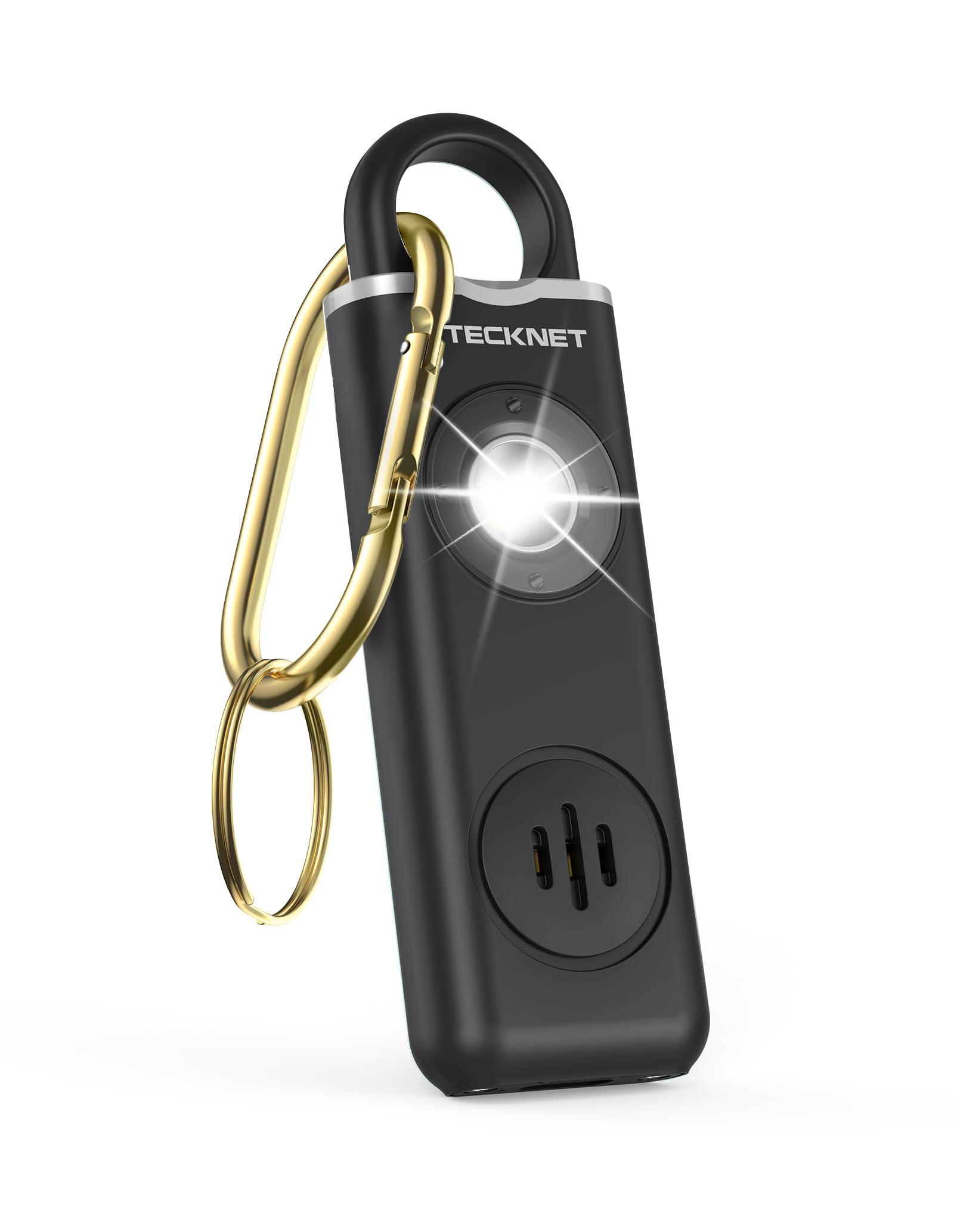
When selecting a personal alarm, functionality and ease of use should be your top priorities. Look for devices that offer loud and clear sirens, typically around 120 decibels, to ensure maximum attention in an emergency. Additionally, consider alarms with a compact and lightweight design, making them easy to carry in your pocket, handbag, or attached to your keychain. A quick-activation method, such as a pull-pin or one-touch button, enhances response time when you need help urgently. Some advanced models also include features like LED lights for visibility or a built-in flashlight for extra safety during nighttime scenarios.
Durability and battery life are equally important to maintain reliability. Seek out personal alarms that are made with robust materials and are water-resistant or splash-proof, so they withstand daily wear and various weather conditions. Long-lasting batteries, especially those with rechargeable options, reduce the hassle of frequent replacements. Lastly, some personal alarms come with additional connectivity features like Bluetooth or mobile app integration, offering extra layers of security such as GPS tracking or emergency contacts notification-perfect for users wanting comprehensive safety solutions.
Best Practices for Carrying and Using Personal Alarms
To maximize the effectiveness of your personal alarm, it’s crucial to keep it within easy reach at all times. Consider attaching it to your keychain, handbag strap, or belt loop, so it’s instantly accessible during an emergency. Regularly test your alarm to ensure the battery is functional and the sound is loud enough to attract help. Additionally, familiarize yourself with the activation mechanism-whether it’s a pull tab, button, or twist switch-to avoid fumbling when seconds count.
When using your personal alarm, remember these key tips for optimal safety:
- Stay calm: Activating your alarm firmly and confidently draws attention without causing confusion.
- Use it strategically: Combine your alarm with assertive body language and where possible, move toward populated or well-lit areas.
- Inform trusted contacts: Let family or friends know you carry an alarm and how to respond if you activate it.
- Respect local laws: Some places have regulations regarding noise devices, so be informed about restrictions in your area.
Tips for Responding Effectively When Your Alarm Goes Off
When your personal alarm sounds, the first step is to quickly assess your surroundings without hesitation. Take a moment to determine if the threat is immediate or if it’s a false alarm triggered by mistake. Keeping calm during this initial response allows you to act purposefully rather than react out of panic. Remember, the loud noise is designed to draw attention, so maximize its effect by moving to a well-lit area or towards other people who can assist.
Next, employ a strategic approach to your actions after the alarm activates. This includes:
- Verbalize your situation: Use strong, clear commands or calls for help to communicate urgency.
- Keep your phone accessible: Prepare to call emergency contacts or law enforcement if necessary.
- Stay alert and aware: Continuously observe your environment for any changes or evolving threats.
- Move with purpose: Avoid freezing or standing still; instead, relocate to a safer place if possible.
In Conclusion
In today’s world, personal alarms are a simple yet powerful tool to enhance your safety and peace of mind. By understanding how to use them effectively-keeping them accessible, knowing when and how to activate them, and combining them with situational awareness-you can maximize their potential to deter threats and attract help quickly. Remember, a personal alarm is most effective when paired with confidence and preparedness. Stay vigilant, stay informed, and make your personal alarm an integral part of your safety strategy. After all, when it comes to protecting yourself, every second and every sound counts.Check Our Other Blogs
- StunGun – Your Trusted Source for Stun Guns, Laws, and Self-Defense Tips
- PepperSprayLaws – Your Trusted Resource for Pepper Spray Information
- StunGunLaws – Your Trusted Guide to Stun Gun Legality and Safety