


Table of Contents
- Understanding the Risks of Sharing Personal Information in Public
- Practical Tips for Protecting Your Data on Public Wi-Fi Networks
- Smart Strategies for Managing Physical Documents and Devices
- Leveraging Technology to Enhance Your Privacy Outside the Home
- The Way Forward
Understanding the Risks of Sharing Personal Information in Public
In today’s digital age, the line between public and private is increasingly blurred, making it essential to be cautious with the information you share openly. When you disclose sensitive details like your full name, address, or financial information in communal settings-whether through conversations, social media check-ins, or unsecured Wi-Fi networks-you inadvertently expose yourself to identity theft, stalking, or financial fraud. The risks escalate because once personal data is out in the open, controlling its distribution becomes nearly impossible, turning seemingly harmless transmissions into potential gateways for malicious actors.
To mitigate these vulnerabilities, practice discretion and implement simple yet effective habits that protect your privacy. For instance, always:
- Review your surroundings before discussing confidential topics or displaying sensitive documents.
- Limit social media geotagging to prevent revealing your exact location in real time.
- Use encrypted communication apps when discussing personal or financial matters remotely.
- Regularly audit your digital footprint to understand what personal details are publicly accessible.
By treating your personal information with the same caution you would physical valuables, you can significantly reduce the chances of falling victim to privacy breaches and maintain control over your identity and security.
Practical Tips for Protecting Your Data on Public Wi-Fi Networks
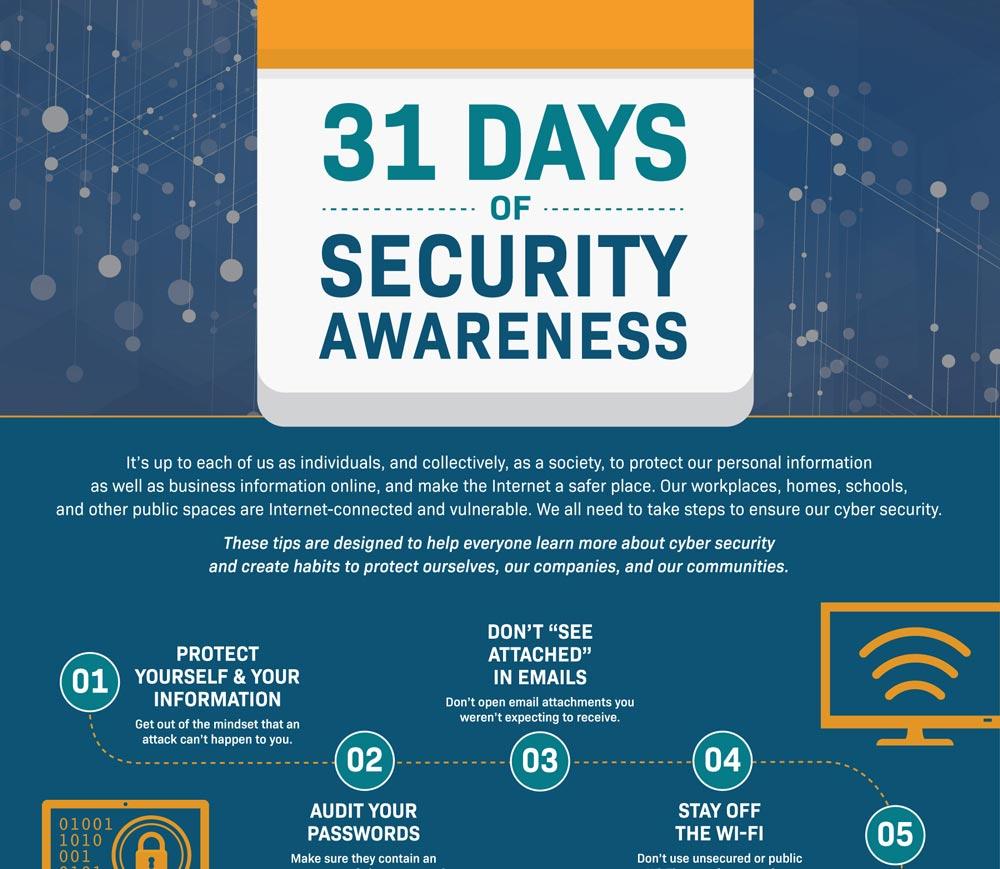
When connected to public Wi-Fi, your data is vulnerable to interception by cybercriminals lurking within the same network. To fortify your defenses, always prioritize the use of a reputable Virtual Private Network (VPN). A VPN encrypts your internet traffic, transforming it into an unreadable code for anyone trying to snoop on your connection. Additionally, make sure your device’s firewall is activated, as it acts as a gatekeeper by monitoring incoming and outgoing network traffic and blocking suspicious activities. Limiting sensitive activities such as online banking or accessing personal accounts while on public Wi-Fi significantly reduces your exposure to potential threats.
Beyond software tools, adopting safe browsing habits plays a crucial role. Avoid automatically connecting to unknown or unsecured networks by disabling automatic Wi-Fi connections in your device settings. When browsing, look for websites that use HTTPS encryption, a visible indicator that the data exchanged is secured. Regularly update your software and apps, as many updates patch security vulnerabilities that could be exploited. Finally, consider using two-factor authentication (2FA) for your accounts, adding an extra layer of security that demands verification beyond just a password.
- Enable your VPN whenever using public Wi-Fi networks.
- Keep your device’s firewall and antivirus active and updated.
- Avoid accessing sensitive information or logging into critical accounts publicly.
- Disable automatic connections to unknown Wi-Fi hotspots.
- Only visit HTTPS secured websites.
- Use two-factor authentication on essential accounts.
Smart Strategies for Managing Physical Documents and Devices
When it comes to safeguarding your physical documents and devices, adopting proactive habits can make all the difference. Always ensure that sensitive papers like bank statements, identification cards, or confidential contracts are stored in a secure, locked compartment whenever you’re in a public or semi-public environment. Utilizing portable, lockable briefcases or document holders adds an extra layer of protection. Avoid leaving devices such as smartphones, tablets, or laptops unattended, even momentarily. If you need to set your device down, consider using cable locks or anti-theft security pouches designed for public use.
Practical steps go beyond just securing your belongings-they also involve mindful behavior in public spaces. Make use of privacy screens on laptops and mobile devices to prevent shoulder surfing, and routinely clear any printed materials you no longer need by shredding rather than discarding them as-is. Here are additional key practices to keep in mind:
- Limit the number of documents and devices you carry to only what is absolutely necessary.
- Never leave documents visible in vehicles or public places.
- Regularly audit and declutter your personal items to minimize risk exposure.
- Use secure, encrypted storage solutions whenever possible for digital backups.
Leveraging Technology to Enhance Your Privacy Outside the Home
When stepping out, your digital footprint expands beyond the safety of your home network. Using a Virtual Private Network (VPN) on your mobile devices can be a game-changer in protecting data from prying eyes on public Wi-Fi. Choose a trusted VPN service that offers strong encryption and does not log user activity. Additionally, activating two-factor authentication (2FA) adds an extra layer of security, ensuring that even if your login credentials are compromised, unauthorized access is still blocked.
Beyond software tools, physical tech precautions also play a crucial role. Consider investing in privacy screen protectors for your smartphone and laptop; they limit the viewing angles, shielding sensitive information from shoulder surfers. Keep Bluetooth and NFC features disabled when not in use to prevent unsolicited connections. Regularly update your devices to patch security vulnerabilities, and tweak app permissions to restrict access to your location and contacts. These steps empower you to maintain control over your personal information, no matter where you are.
- Use reputable VPN services on all devices
- Enable two-factor authentication for online accounts
- Install privacy screen protectors on portable devices
- Disable Bluetooth and NFC when inactive
- Regularly update device software and apps
- Manage app permissions thoughtfully
The Way Forward
Protecting your personal information in public spaces is more important than ever in today’s connected world. By staying aware of your surroundings, using technology thoughtfully, and taking simple yet effective precautions, you can significantly reduce the risk of exposing your sensitive data. Remember, safeguarding your privacy is an ongoing process-not a one-time fix. Stay vigilant, adapt to new threats, and prioritize your security wherever you go. Your personal information is valuable; treat it with the care it deserves.Check Our Other Blogs
- StunGun – Your Trusted Source for Stun Guns, Laws, and Self-Defense Tips
- PepperSprayLaws – Your Trusted Resource for Pepper Spray Information
- StunGunLaws – Your Trusted Guide to Stun Gun Legality and Safety