


Table of Contents
- Understanding the Risks and Common Scenarios of Rear Attacks
- Key Principles to Maintain Situational Awareness and Avoid Vulnerability
- Immediate Physical Responses to Disarm and Create Distance
- Training Techniques and Drills to Build Reflexive Defense Skills
- In Retrospect
Understanding the Risks and Common Scenarios of Rear Attacks
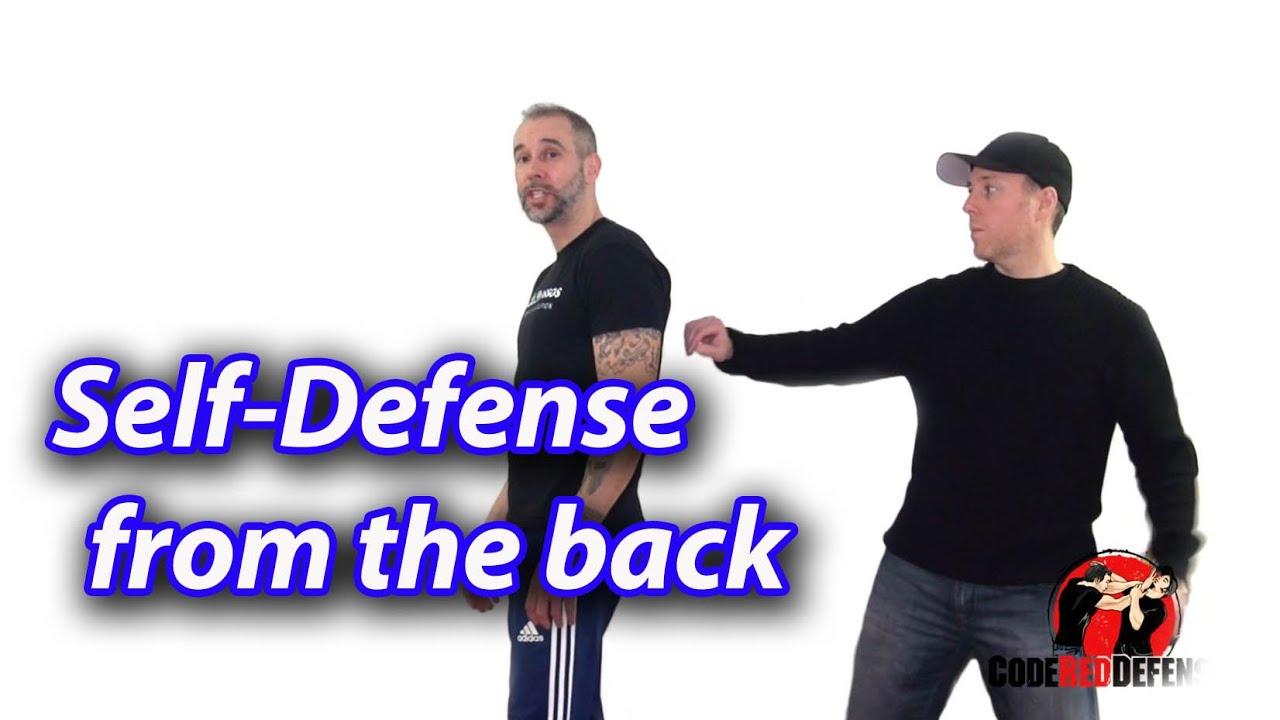
Being attacked from behind is particularly dangerous due to the element of surprise, leaving victims vulnerable and often unable to react swiftly. Common situations where rear assaults occur include crowded places, parking lots, and dimly lit areas where visibility is limited and attention is divided. Another frequent scenario involves unsuspecting individuals walking alone or using their phones, making them easy targets for opportunistic attackers. Understanding these contexts helps in adopting a vigilant mindset and recognizing potential threats before they escalate.
Several risk factors increase the chance of a rear attack, such as:
- Distracted behavior: Engrossment in electronic devices reduces situational awareness.
- Isolated environments: Limited witnesses or escape routes elevate vulnerability.
- Predictable routines: Consistently using the same path or schedule makes you an easier target.
By anticipating these scenarios and acknowledging the dangers, you can proactively adopt defensive habits and remain alert to your surroundings, significantly reducing the risk of being caught off guard.
Key Principles to Maintain Situational Awareness and Avoid Vulnerability
Understanding your environment is fundamental when it comes to protecting yourself from attacks originating from behind. Conviction in your ability to observe subtle changes around you-such as shifts in noise, shadows, or unexpected movements-can significantly raise your defense capabilities. Consistent scanning of your surroundings with a methodical approach ensures you remain alert to potential threats. This can include maintaining a balanced posture that allows for quick turning, and periodically checking reflections in windows or mirrors to catch any suspicious activity behind you.
Another key element is cultivating a mindset geared toward proactive safety, which means anticipating and neutralizing vulnerability before it manifests. Developing habits like trusting your instincts, keeping personal space boundaries, and using your peripheral vision effectively are crucial. Employ techniques such as sound awareness to detect footsteps or clothing rustle, and utilize body language to project confidence. Remember, attackers often target individuals who seem distracted or unaware, so presenting an alert and prepared demeanor can serve as a powerful deterrent.
Immediate Physical Responses to Disarm and Create Distance
When confronted with an attack from behind, your initial reactions are crucial for survival. The key is to take swift, decisive physical actions that neutralize the threat while creating enough space to execute follow-up moves or escape. Begin by dropping your weight and bending your knees slightly – this stance not only strengthens your balance but prepares you to generate power from your hips. Use your forearms or elbows immediately to push against the assailant’s grip or body, targeting sensitive areas like the ribs or collarbone to momentarily disable their hold. Quick, sharp movements exploiting vulnerable points can break their control, making it easier to turn and face your attacker.
- Step off the line of attack: Pivot your body to the side while maintaining a low center of gravity to unbalance the attacker.
- Use your fingers and palms: Focus on sensitive zones such as ears, throat, or eyes to disrupt the attacker’s focus and precision.
- Employ explosive pushes or strikes: A sudden shove combined with a sharp slap or jab can disarm or loosen their grasp.
- Create immediate physical distance: Once free, rapidly step back or circle away to keep the attacker from closing in again.
Timing and aggression are essential-hesitation gives the attacker control, while consistent pressure from well-placed, forceful maneuvers puts you back in command of the encounter. Practicing these responses transforms instinctive panic into proactive defense, allowing you to regain composure and establish a safer perimeter from which to plan your next moves or call for help.
Training Techniques and Drills to Build Reflexive Defense Skills
Developing razor-sharp reflexes to defend against an attack from behind requires consistent, targeted practice. One highly effective approach involves reaction drills that simulate surprise attacks. Partner exercises where your training buddy attempts to tap or lightly grab you from behind can condition your mind and body to respond instinctively. Use blindfolds to heighten your other senses and force reliance on auditory and tactile cues. Another powerful method is incorporating reaction balls, which bounce unpredictably and improve your hand-eye coordination and quickness – essentials for turning swiftly and neutralizing threats from unseen angles.
Beyond reaction speed, incorporating footwork and spatial awareness drills enhances your ability to reposition rapidly and create defensive advantages. Practice pivoting on the balls of your feet with smooth, controlled movements to execute quick turns. Combine these with shadowboxing while intermittently responding to audio cues, prompting you to visualize dodging and countering attacks behind you. To embed these reflexive skills deeper, engage in circuit training combining agility ladders, balance boards, and dynamic striking pads. These drills hone muscle memory, ensuring your body reacts with precision even under stress, turning potential vulnerabilities into confident defense.
- Reaction drills with partners using surprise taps or grabs from behind
- Blindfolded sensory conditioning to sharpen non-visual cues
- Reaction ball exercises for unpredictable hand-eye coordination
- Footwork drills focusing on pivoting and rapid directional changes
- Audio cue shadowboxing to simulate unexpected attacks
- Functional circuit training to build muscle memory under stress
In Retrospect
In today’s unpredictable world, knowing how to defend yourself from an attack coming from behind is an essential skill that can make all the difference in a critical moment. By staying aware of your surroundings, maintaining good posture, and practicing the right techniques, you can significantly improve your chances of protecting yourself when faced with a surprise threat. Remember, self-defense isn’t about aggression-it’s about confidence, preparedness, and using effective strategies to keep you safe. Keep honing your skills, stay vigilant, and empower yourself to take control, no matter what comes from behind.Check Our Other Blogs
- StunGun – Your Trusted Source for Stun Guns, Laws, and Self-Defense Tips
- PepperSprayLaws – Your Trusted Resource for Pepper Spray Information
- StunGunLaws – Your Trusted Guide to Stun Gun Legality and Safety