


Table of Contents
- Understanding the Purpose and Legal Considerations of Stun Guns
- Breaking Down How Stun Guns Work and When to Use Them
- Addressing Common Concerns and Misconceptions Among Loved Ones
- Tips for Communicating Safety and Responsibility Effectively
- In Retrospect
Understanding the Purpose and Legal Considerations of Stun Guns
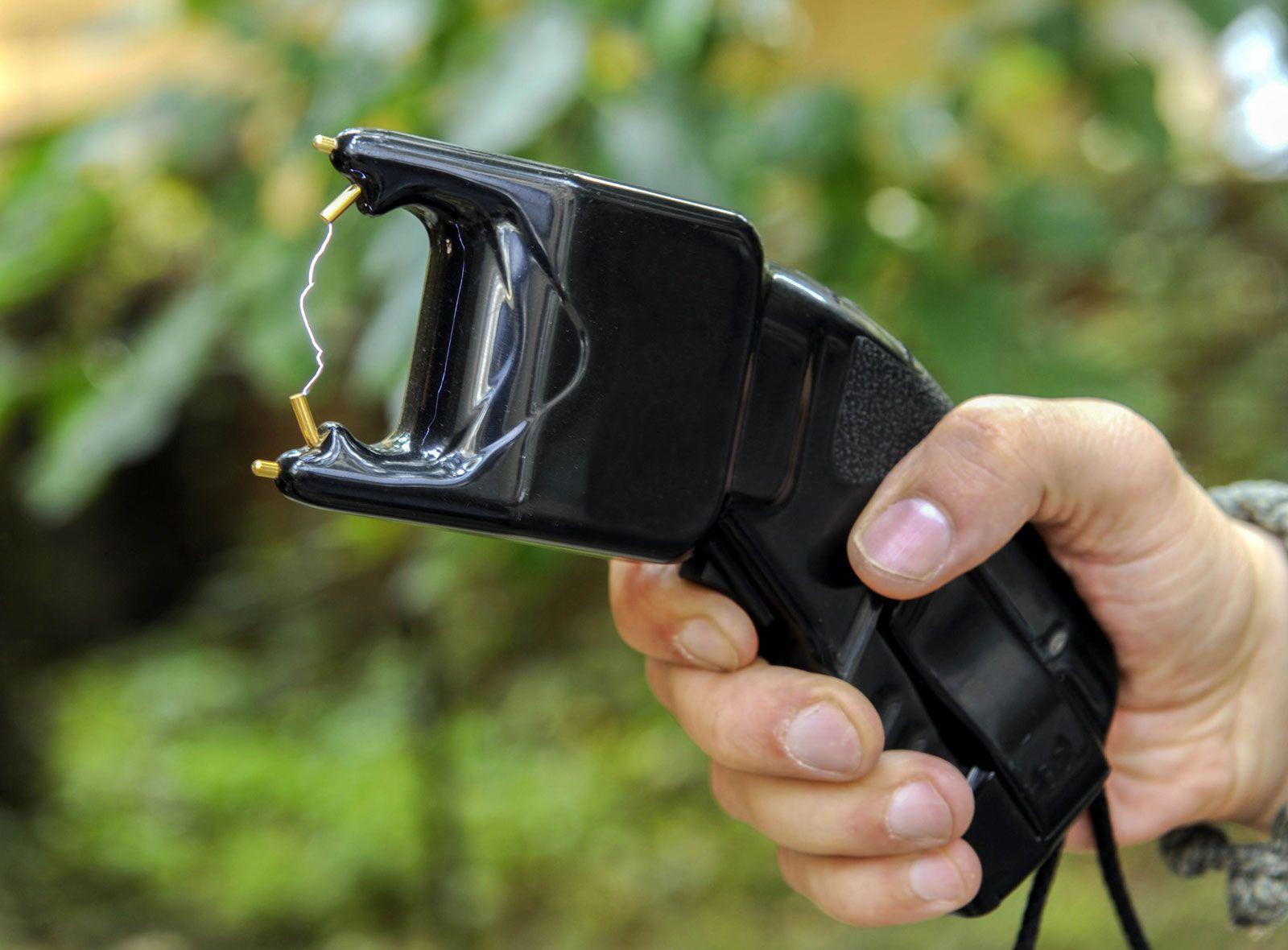
Stun guns serve as a personal safety device designed to temporarily incapacitate an attacker by delivering an electric shock. This momentary disruption in muscle control allows potential victims time to escape or call for help without causing permanent injury. Unlike firearms, stun guns are non-lethal and intended primarily for deterrence and self-defense. Understanding their function and limitations is crucial when discussing their use with loved ones, ensuring everyone recognizes that these devices are a safety measure, not a tool for aggression.
Before deciding to carry or use a stun gun, it’s important to be aware of the legal framework governing their possession and use, which can vary widely by location. Some key points to highlight when explaining this to family and friends include:
- Age restrictions: Many regions require users to be of a certain age, often 18 or older.
- Permitted use: Stun guns should only be used in self-defense situations and never for intimidation or harm.
- Legal boundaries: Certain states or countries may prohibit stun guns entirely or have strict regulations on where they can be carried.
By addressing these considerations openly, you provide clarity and reassurance, making it easier for your family and friends to understand the responsible and lawful use of stun guns.
Breaking Down How Stun Guns Work and When to Use Them
Stun guns work by delivering a high-voltage, low-amperage electrical charge designed to temporarily incapacitate an attacker without causing permanent injury. When activated, the electrical current disrupts the body’s neuromuscular system, resulting in sudden muscle contractions and loss of balance. This momentary paralysis provides a critical window to escape a dangerous situation. Unlike firearms or knives, stun guns offer a non-lethal means of self-defense, making them a preferred choice for those seeking protection without fatal consequences. It’s important to understand that the effectiveness of a stun gun depends on factors such as the duration of the charge and proper contact with the assailant’s body.
Knowing when to deploy a stun gun is just as vital as understanding how it works. They are best used in situations where de-escalation has failed and personal safety is at immediate risk. Keep in mind these key moments for use:
- When you feel physically threatened or chased.
- In self-defense scenarios that involve aggressive behavior but not lethal force.
- To create enough distance for you to flee safely.
Remember, stun guns are not meant for intimidation or non-threatening confrontations. Using them responsibly and understanding their purpose ensures they serve as an effective safety tool while minimizing legal complications and unnecessary harm.
Addressing Common Concerns and Misconceptions Among Loved Ones
When discussing the use of stun guns with family and friends, it’s common to encounter fears and misunderstandings about their purpose and safety. Many worry that stun guns are dangerous weapons meant for harm rather than protection. It’s important to clarify that these devices are designed primarily for self-defense, aiming to incapacitate an aggressor temporarily without causing permanent injury. Sharing factual information about how stun guns work, including their short-range electrical charge that disrupts muscle control, can help dispel myths and ease concerns.
To foster trust and openness in these conversations, consider emphasizing key points that address common worries:
- The legality and responsible usage of stun guns in your area.
- How stun guns serve as a non-lethal option compared to firearms.
- Your personal commitment to using the device only when absolutely necessary.
- Training and preparation you’ve undertaken to use the device safely and effectively.
By being transparent and educational, you encourage empathetic understanding, allowing loved ones to see stun guns not as tools of violence, but as practical means of personal security.
Tips for Communicating Safety and Responsibility Effectively
When discussing stun gun use with family and friends, clarity and empathy are crucial. Start by explaining the purpose of the device-not as a weapon, but as a tool for personal safety and defense. Emphasize that its use is strictly regulated and intended only for situations of imminent danger. Use relatable scenarios to help them understand how it works and when activation is appropriate. This helps demystify the technology and reduces fear or misconceptions. Additionally, it’s important to stress the importance of responsible ownership, such as proper storage, regular maintenance, and awareness of local laws governing stun guns.
Engage your audience by encouraging open dialogue and addressing any concerns they might have. Use simple, non-technical language and reinforce that safety comes first. Providing practical tips, such as:
- Always keep the stun gun out of children’s reach.
- Never use it to intimidate or threaten without cause.
- Practice using the device in a controlled environment to build confidence.
- Stay informed about your local legislation regarding stun gun use and possession.
In Retrospect
In today’s world, personal safety is more important than ever, and understanding how to use a stun gun responsibly is a key part of staying protected. By openly discussing stun gun use with your family and friends, you not only promote awareness but also foster a supportive environment where everyone feels informed and prepared. Remember, education and communication are the foundations of safety-so take the time to share what you’ve learned, address any concerns, and encourage respectful conversations. With knowledge and understanding, you’ll empower those around you to make smart decisions and feel secure in their own environments. Stay safe and stay informed!Check Our Other Blogs
- StunGun – Your Trusted Source for Stun Guns, Laws, and Self-Defense Tips
- PepperSprayLaws – Your Trusted Resource for Pepper Spray Information
- StunGunLaws – Your Trusted Guide to Stun Gun Legality and Safety