

Table of Contents
- Common Pitfalls in Selecting the Right Self-Defense Tools for Your Needs
- Improper Handling and Storage Practices That Compromise Safety
- Legal Considerations Often Overlooked When Carrying Self-Defense Devices
- Training and Maintenance Tips to Ensure Effective Use in Critical Situations
- In Conclusion
Common Pitfalls in Selecting the Right Self-Defense Tools for Your Needs
One of the most frequent errors when choosing self-defense tools is prioritizing style over functionality. Many individuals are drawn to flashy or technologically advanced options without fully understanding how to use them effectively. This often results in carrying devices that are impractical under real stress or emergency situations. Additionally, neglecting to consider legal restrictions can lead to serious consequences-laws regarding self-defense items vary greatly by location, and unfamiliarity can turn a protective tool into a liability.
Another common misstep is underestimating the importance of personal comfort and ease of access. Carrying a tool that is difficult to reach or awkward to use in a moment of panic defeats its purpose entirely. People frequently overlook training, assuming possession alone provides safety, yet consistent practice and familiarity are essential. Remember to evaluate:
- How naturally you can deploy the tool during high-pressure scenarios
- Whether the tool’s weight and size suit your daily activities
- Compatibility with your typical clothing and carry preferences
Improper Handling and Storage Practices That Compromise Safety
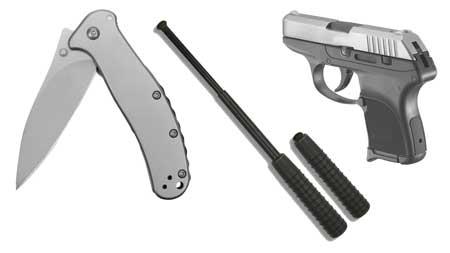
Many self-defense enthusiasts unknowingly jeopardize their safety by not securing their tools properly. Leaving items like pepper spray, stun guns, or pocket knives in unsecured or accessible places such as the glove compartment, purse bottoms, or loose pockets can lead to accidental discharge or loss. The consequences can be severe, ranging from unintended injury to the tool falling into the wrong hands. Additionally, neglecting to protect these items from extreme temperatures or moisture may cause malfunctions when you need them most.
Common pitfalls include:
- Storing tools without proper holsters or cases
- Carrying multiple items loosely together, increasing the risk of accidental activation
- Forgetting to regularly check expiration dates or battery life
- Placing tools in easy-reach areas without considering situational safety
To maintain readiness and security, always prioritize organized, deliberate storage practices that prevent accidental use and ensure quick, reliable access under stress.
Legal Considerations Often Overlooked When Carrying Self-Defense Devices
Many individuals underestimate the complexity of laws governing self-defense tools, which can lead to unintended legal consequences. It’s crucial to understand that possession regulations vary not only by country but often by state or municipality. For instance, certain items considered legal in one area might be strictly prohibited in another, or require specific permits for carrying. Additionally, carrying self-defense devices openly versus concealed may invoke different legal stipulations, so knowing these distinctions helps prevent inadvertent violations.
Beyond possession, misuse or improper deployment of self-defense devices can also raise serious legal ramifications. Even situations of perceived self-defense may come under stringent scrutiny, especially when the force used is deemed excessive or unwarranted. To mitigate risks, keep in mind these essential legal checkpoints:
- Verify local and federal regulations about the type of device you intend to carry.
- Understand any permit or licensing requirements that might apply.
- Know the limits of acceptable force in self-defense scenarios.
- Stay informed on recent legal updates to avoid outdated assumptions.
Training and Maintenance Tips to Ensure Effective Use in Critical Situations
Proper preparation is the cornerstone of confidence when wielding any self-defense tool. Regularly scheduled training sessions sharpen not only muscle memory but also mental readiness, allowing rapid and precise responses during high-pressure scenarios. Incorporate realistic drills into your practice, simulating stress and unexpected situations to build familiarity with the tool’s operation under duress. Additionally, reviewing legal knowledge about your specific self-defense equipment ensures your actions remain within permissible boundaries, eliminating hesitation caused by uncertainty.
Maintenance, often overlooked, significantly impacts the reliability of your self-defense tools. Develop a routine cleaning and inspection schedule to check for wear, rust, or mechanical malfunctions that could inhibit performance. Use recommended lubricants and storage solutions to keep devices in optimum condition, and never underestimate the value of replacing worn components timely. Simple habits like these transform your tool from a potential liability into a steadfast extension of your personal safety strategy.
- Schedule consistent hands-on training that mimics real-world scenarios
- Stay updated on legal constraints and self-defense rights
- Perform detailed maintenance checks before and after use
- Keep your tool clean, lubricated, and stored correctly
- Replace worn-out parts promptly to ensure reliability
In Conclusion
In conclusion, carrying self-defense tools is a serious responsibility that requires more than just having the right equipment. Avoiding common mistakes-such as improper training, neglecting legal considerations, or failing to maintain your tools-can make all the difference when your safety is on the line. By staying informed, practicing regularly, and respecting the power these tools hold, you’ll be better prepared to protect yourself effectively and confidently. Remember, the goal is not just to carry self-defense tools, but to carry them wisely. Stay safe and empowered!Check Our Other Blogs
- StunGun – Your Trusted Source for Stun Guns, Laws, and Self-Defense Tips
- PepperSprayLaws – Your Trusted Resource for Pepper Spray Information
- StunGunLaws – Your Trusted Guide to Stun Gun Legality and Safety