
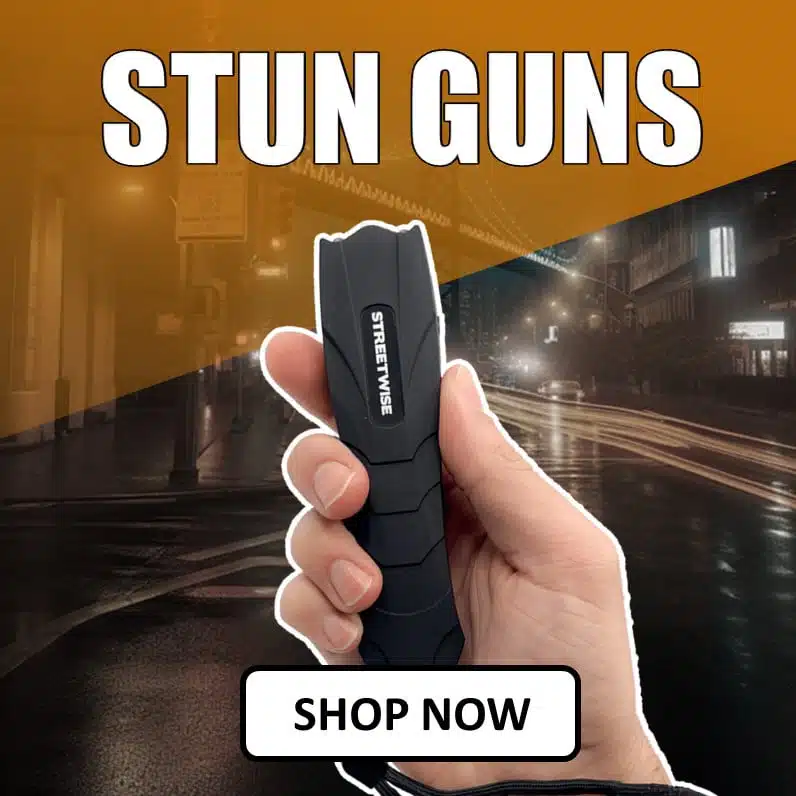


In an age where personal safety is a growing concern, many individuals are turning to non-lethal self-defense weapons, and stun guns are at the forefront. But just how reliable are these devices when the chips are down? Are they the saviors they’re often advertised to be, or do they sometimes fall short? Understanding the effectiveness and reliability of stun guns involves a deeper look into their mechanics, user reports, and expert opinions.
What is a Stun Gun?
A stun gun is a handheld device designed to incapacitate an attacker by delivering an electric shock. The principle behind its functioning lies in disrupting the body’s neuromuscular system, leading to temporary paralysis or disorientation. Most stun guns operate using high-voltage electricity but low amperage, ensuring that the shock is painful yet non-lethal.
However, there is a distinction between stun guns and tasers. A stun gun requires direct contact with the attacker, while a taser can fire electrodes from a distance, making them more versatile in certain situations.
The Science of Electric Shock
Stun guns work by delivering a high-voltage charge, often between 60,000 to 1 million volts. The outcome of such a shock can vary based on numerous factors, including:
- Voltage: The higher the voltage, the more likely it is to disrupt the body’s electrical signals.
- Dart Distance: With tasers, the distance between the user and attacker can significantly affect performance.
- Contact Quality: For stun guns, the placement of the device on the target is crucial; a correct and direct contact could yield better results.
Reliability and Efficacy
Experts and studies reveal a mixed bag when it comes to stun gun reliability. According to a study conducted by the Journal of Trauma and Acute Care Surgery, a significant portion of subjects exposed to stun guns experienced temporary incapacity, but not all did. The effects can be inconsistent, leading some to proclaim that the efficacy is contingent upon the situation at hand.
A report from the Police Executive Research Forum stated that while stun guns are broadly considered a safer alternative to firearms, their reliability heavily depends on the user’s ability to effectively deploy the device. Anecdotal evidence further reinforces this; users often share experiences that vary from the stun gun being shockingly effective to outright failed attempts.
User Experiences
To understand the reality of stun gun reliability better, we spoke with individuals who have used them in simulated and real-life situations. Jennifer, a former police officer, shared her experience: “In training, the stun gun was effective almost every time, but in real-life situations, the adrenaline rush changes everything. I’ve had cases where the stun gun failed to incapacitate an assailant simply because I didn’t have a firm grip.”
Conversely, Mark, a self-defense instructor, noted, “I’ve had students report instances where they used stun guns, and they worked like a charm. But there are always those rare occasions where the attacker just doesn’t react as expected.” This inconsistency in real-world scenarios raises questions about the wisdom of relying solely on stun guns for personal safety.
Legal and Safety Considerations
Before acquiring a stun gun, it’s crucial to be aware of local laws regarding their possession and use. In many areas, stun guns are classified as weapons, subject to regulations concerning their carry and use. Furthermore, while they are marketed as non-lethal, improper use or excessive force can lead to severe consequences, including legal ramifications.
Safety is another significant consideration. Reports of misuse or accidental discharges have circulated online, emphasizing the importance of proper training and understanding of the device. Many manufacturers recommend undergoing self-defense classes that include training with these devices to maximize effectiveness and safety.
The Future of Stun Guns
As technology evolves, so does the design and functionality of stun guns. Innovations are leading to more reliable models that promise increased voltage, better ergonomic designs, and amplified user training programs. The future suggests a movement towards integrating stun guns with smart technology, allowing users to monitor the effectiveness and deployment metrics through mobile applications.
While stun guns present a valid option for personal defense, users must educate themselves thoroughly about their functionality, limitations, and local laws. Adequate preparation—both educational and practical—can enhance the reliability of stun guns as an integral part of personal safety. Ultimately, a stun gun might not always guarantee a “zap” that guarantees safety, but with the right understanding, it can certainly add a layer of security when it’s needed most.
Check Our Other Blogs
- StunGun – Your Trusted Source for Stun Guns, Laws, and Self-Defense Tips
- PepperSprayLaws – Your Trusted Resource for Pepper Spray Information
- StunGunLaws – Your Trusted Guide to Stun Gun Legality and Safety