
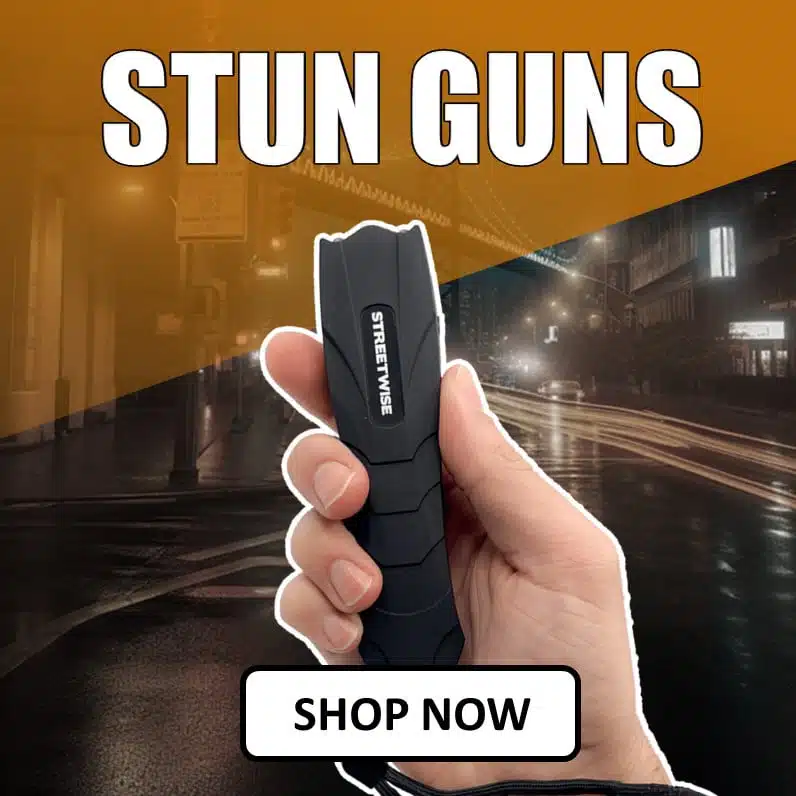

As personal safety becomes an increasing concern in urban settings, electronic self-defense tools like stun guns are capturing public attention. Recent tests conducted by multiple consumer safety organizations have revealed startling findings about the effectiveness of modern stun guns. With technological advancements, these devices are not only growing in popularity but also in efficiency. But what do these test results really mean for consumers and safety advocates alike?
Key Findings from Recent Tests
- Stun guns today can incapacitate an attacker in mere seconds.
- Devices have improved in both range and voltage, with some packing a punch of over 1 million volts.
- Battery life and portability have also seen improvements, making stun guns more user-friendly.
The Science Behind Stun Guns
At the core of every stun gun lies a unique application of electrical energy. The device discharges a high-voltage, low-amperage electric shock that temporarily disrupts the body’s neuromuscular system. This sudden jolt can cause muscle contractions, disorientation, and a loss of motor control, allowing potential victims a critical window to escape from a threatening situation.
Recent studies have demonstrated that the effects of a stun gun can reliably incapacitate the average adult for about 5 to 20 minutes. Although some experts caution that the degree of effectiveness can vary based on the individual’s physical condition and threshold for pain, most users find the device effective under typical conditions.
The Latest Research Findings
The latest research, published by the National Institute of Justice, indicates that modern stun guns have evolved significantly from their predecessors. The tests were conducted under a diverse array of scenarios, mimicking real-world situations to evaluate the stun guns’ performance across various conditions.
Among the key results, several models emerged as standout performers. The Taser Pulse+, for instance, combines striking power with sophisticated target acquisition systems, allowing for greater accuracy in stressful scenarios. User reports indicate an impressive success rate in subduing aggressive individuals with minimal collateral damage.
Moreover, the testing reaffirmed that stun guns with integrated safety features—such as an automatic shut-off—demonstrated enhanced user confidence. Such devices not only protect the victim but also reduce the risk of accidental discharge, which is a frequent concern among first-time users.
Consumer Insights and Preferences
To glean a deeper understanding of consumer attitudes towards stun guns, a survey of 1,500 respondents explored factors influencing purchase decisions and perceptions of safety. Notable findings indicate that about 72% of participants expressed interest in owning a stun gun for personal safety. Reasons cited included perceived efficacy, ease of use, and non-lethal nature compared to firearms.
Interestingly, around 60% of the respondents revealed that they had never engaged in training or practiced using their stun guns. This suggests a potential area for improvement; educators and safety advocates are emphasizing the need for training programs to ensure users feel confident and secure when employing these devices.
Legal Implications and Concerns
While stun guns have gained acceptance as a personal safety tool, the legal landscape remains complex. Legislation governing the ownership and use of stun guns varies widely across states and countries. Some jurisdictions impose strict regulations, while others embrace the devices as a valuable resource for self-defense.
Experts suggest that consumers must educate themselves on local laws regarding stun gun use to prevent potential legal repercussions. Moreover, ongoing debates about the ethical implications of using non-lethal force raise questions about appropriate contexts and responsible ownership.
Looking to the Future
As technology progresses, the future of stun guns appears promising. Experts predict further enhancements in battery life and size reduction to improve portability. Additionally, emerging technologies such as Bluetooth connectivity may provide users with enhanced tracking and monitoring capabilities.
With the critical need for personal safety solutions showing no sign of abating, stun guns have positioned themselves as essential tools for self-defense, prompting both legal and consumer conversations around safety and responsibility. Whether you are considering purchasing a stun gun or simply interested in how these devices are making an impact, staying updated on the latest findings is crucial.
Conclusion
The latest test results reveal that stun guns not only carry significant potential as effective self-defense tools but also come with a set of responsibilities for users. As public interest continues to grow, it is vital for consumers to educate themselves about the tools they choose for their protection and the legal ramifications that accompany their use. The gap between technology and responsibility must narrow if society is to fully trust in these “shockingly effective” devices.
Check Our Other Blogs
- StunGun – Your Trusted Source for Stun Guns, Laws, and Self-Defense Tips
- PepperSprayLaws – Your Trusted Resource for Pepper Spray Information
- StunGunLaws – Your Trusted Guide to Stun Gun Legality and Safety