
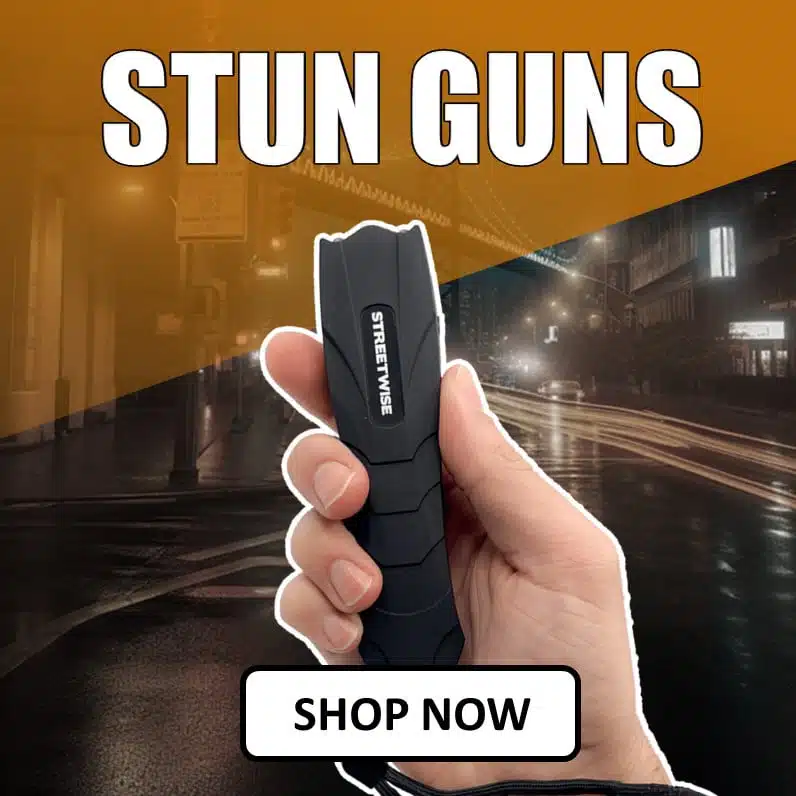


In the turbulent landscape of personal safety and self-defense, stun guns have emerged as a popular tool. Positioned as non-lethal alternatives to firearms, they are often marketed as life-saving devices. However, the spectrum of opinion surrounding their use is wide, and the question remains: are stun guns truly a safeguard against violence, or do they pose more risks than benefits?
The Basics of Stun Guns
Stun guns, also known as electroshock weapons, deliver a high-voltage shock that temporarily incapacitates an attacker. Administering a shock disrupts the body’s neuromuscular system, leading to a temporary loss of control and pain. These devices are typically compact, easy to carry, and designed for quick access in emergencies.
The convenience and effectiveness of stun guns have made them a popular choice among individuals seeking personal security. They can be easily tucked into a purse or pocket and are often seen as a more reasonable option than lethal weapons. By the numbers, a report by the National Institute of Justice indicates that about 20% of law enforcement agencies in the U.S. use stun guns, showcasing their growing acceptance in both civilian and professional contexts.
Supporters’ Perspectives
Proponents of stun guns argue that they empower individuals to defend themselves without the lethal consequences associated with firearms. In situations where self-defense is necessary, stun guns offer a means to deter or incapacitate an aggressor while minimizing the risk of permanent harm or death.
For many, the psychological comfort of carrying a stun gun plays a crucial role. According to a survey conducted by Self-Defense Magazine, over 66% of respondents reported feeling safer carrying a stun gun compared to not having any self-defense tool. This sense of safety can be particularly critical for vulnerable populations, such as women walking alone at night.
Moreover, organizations advocating for personal safety highlight that stun guns provide a non-lethal option to those who are hesitant to engage in violent confrontations. They allow individuals to resolve potentially dangerous situations without resorting to lethal force.
Concerns and Risks
However, the use of stun guns is not without controversy. Critics express concerns about their potential for misuse and the consequences that can arise during high-stress encounters.
Studies indicate that while stun guns may be marketed as “non-lethal,” they can cause serious injuries or even death, particularly in individuals with pre-existing health conditions or the elderly. A 2017 report from the University of South Florida found that there were over 1,000 reports of adverse effects from stun gun usage across the U.S., including fatalities.
Additionally, there is the looming question of accountability and regulation. The lack of standardization regarding stun gun manufacture and usage leads to a wide variance in effectiveness and safety. Reports have documented instances of stun guns failing to operate effectively in critical situations, raising doubts about their reliability as a self-defense mechanism.
Legal and Ethical Dimensions
Legal regulations surrounding stun guns also vary dramatically by state, adding another layer of complexity. Some states classify them as firearms, while others allow their unrestricted public use. This inconsistency can create a minefield for individuals seeking to utilize stun guns for self-defense. Moreover, ethical concerns arise when individuals, emboldened by the belief that they possess a non-lethal weapon, engage in potentially aggressive behavior they might otherwise avoid.
Alternatives to Stun Guns
Given the mixed evidence surrounding stun guns, many self-defense experts suggest exploring alternatives. Items such as pepper spray or personal alarms can offer effective means of self-defense without the technological risks associated with stun guns. Training in self-defense maneuvers, such as martial arts, is also advocated as a way to genuinely empower individuals to protect themselves without reliance on a weapon.
The Future of Stun Guns in Personal Safety
As society continues to grapple with issues of safety, violence, and the implications of self-defense tools, the role of stun guns will undoubtedly be a critical topic. Advocates argue for increased education around their safe use, while critics continue to push for tighter regulations and alternative safety measures.
Ultimately, the conversation surrounding stun guns as either a life-saving necessity or a risky weapon is ongoing and deeply multifaceted. As we navigate the complexities of personal safety in an often-unpredictable world, it is essential to strike a balance that genuinely prioritizes well-being, accountability, and informed choice.
Check Our Other Blogs
- StunGun – Your Trusted Source for Stun Guns, Laws, and Self-Defense Tips
- PepperSprayLaws – Your Trusted Resource for Pepper Spray Information
- StunGunLaws – Your Trusted Guide to Stun Gun Legality and Safety