


Table of Contents
- Choosing the Right Time and Route for Safer Travel
- Staying Vigilant and Aware of Your Surroundings
- Essential Personal Safety Measures While Waiting and Riding
- Using Technology to Enhance Your Public Transportation Experience
- Concluding Remarks
Choosing the Right Time and Route for Safer Travel
Timing plays a crucial role in ensuring a safe and comfortable commute. Whenever possible, opt for travel during off-peak hours to avoid crowded vehicles, which not only reduces stress but also minimizes exposure to potential safety risks. Early mornings and late evenings often have less traffic and fewer passengers, creating a more relaxed environment. Additionally, planning your journey around daylight hours enhances visibility and personal security, especially when waiting at stops or transferring between routes.
Selecting the right route is equally important for a secure transit experience. Prioritize well-lit and frequently serviced routes with clear signage and active surveillance. Consider routes that pass through populated or monitored areas rather than isolated locations. Here are some quick tips for route selection:
- Check transit apps or websites for real-time updates and route safety advisories.
- Avoid unfamiliar or poorly rated stops that lack shelter or seating.
- Choose routes with multiple transfer options so you have flexibility if any issues arise.
Staying Vigilant and Aware of Your Surroundings
Maintaining a sharp awareness of your environment can significantly enhance your safety during public transit journeys. Staying alert means actively observing the people around you, recognizing exits, and identifying any potential hazards before they escalate. It’s vital to avoid distractions such as excessive phone use or loud music; instead, keep your senses tuned to your surroundings. Trust your instincts-if something feels off, it probably is. This proactive mindset helps you respond quicker and with greater confidence to unexpected situations.
To bolster your vigilance, integrate these practices into your routine:
- Position yourself strategically: Choose seats where you can see the entrance and exits, ideally near other passengers or the driver.
- Keep belongings close: Ensure your personal items are secure and within easy reach to deter theft.
- Observe fellow passengers: Be mindful of body language and any unusual behavior that may signal a problem.
- Know emergency procedures: Familiarize yourself with safety protocols and emergency stop mechanisms.
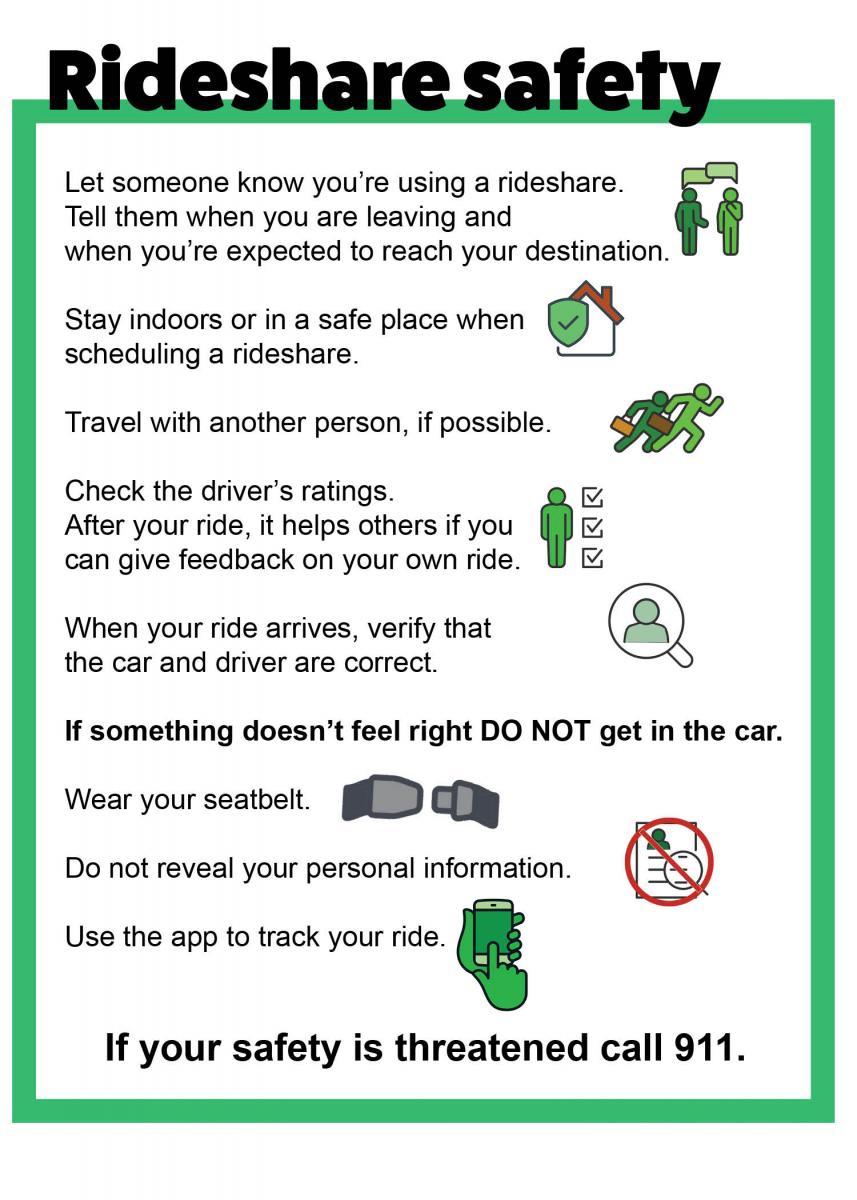
- Stay connected: Share your travel plans with a trusted contact or use apps that allow location tracking when traveling alone.
Essential Personal Safety Measures While Waiting and Riding
Staying alert and prepared is key when navigating public transit environments. While waiting, choose well-lit and populated areas to position yourself where you can be easily seen and feel safe. Avoid distractions such as excessive phone use or wearing headphones at high volumes, as these can reduce your situational awareness. Keep your belongings secured-backpacks should be worn on both shoulders or held close at all times to prevent theft. It’s also prudent to have your fare ready beforehand, which allows for smoother boarding and minimizes the time spent fumbling with purses or wallets.
Once onboard, continue to prioritize your safety by finding seats near the driver or other passengers when possible. Hold onto handrails firmly to avoid falls during sudden stops. If you notice any suspicious behavior, don’t hesitate to alert the operator or other passengers discreetly. Maintaining a calm and confident demeanor not only enhances your own security but can also deter potential offenders. Remember, trusting your instincts and preparing ahead keeps your experience on public transportation as stress-free as possible.
Using Technology to Enhance Your Public Transportation Experience
Modern technology has revolutionized how we navigate public transportation, making each journey safer and more efficient. Mobile apps now provide real-time updates on bus and train arrivals, delays, and crowdedness, allowing passengers to plan their routes to avoid stressful situations. GPS tracking tools boost security by letting riders share their location with trusted contacts, providing peace of mind during late-night or unfamiliar trips. Additionally, many transit systems have integrated contactless payment options that reduce wait times and minimize physical contact, improving both convenience and hygiene.
Beyond convenience, technology facilitates crucial safety measures that enhance rider confidence. Features such as emergency alert buttons within transit apps can instantly connect passengers to security personnel, while onboard surveillance cameras monitored through advanced software deter crime and ensure rapid response to incidents. Leveraging these innovations, consider incorporating the following practices for a smoother, safer commute:
- Download official transit apps: Stay informed with accurate schedules and service alerts.
- Enable location sharing: Let friends or family track your travel for added security.
- Use contactless payment methods: Avoid fumbling for cash and reduce physical interactions.
- Familiarize yourself with in-app emergency features: Know how to quickly access help if needed.
Concluding Remarks
Navigating public transportation doesn’t have to be stressful or unsafe. By keeping these top safety tips in mind-staying aware of your surroundings, securing your belongings, planning your routes, and trusting your instincts-you can enjoy a smoother, more confident commute. Remember, a little preparation goes a long way in ensuring your travels are both safe and stress-free. Whether you’re a daily rider or an occasional user, prioritizing safety helps you focus on what really matters: reaching your destination with peace of mind. Safe travels!Check Our Other Blogs
- StunGun – Your Trusted Source for Stun Guns, Laws, and Self-Defense Tips
- PepperSprayLaws – Your Trusted Resource for Pepper Spray Information
- StunGunLaws – Your Trusted Guide to Stun Gun Legality and Safety