


Table of Contents
- Understanding Common Theft and Assault Tactics to Stay Vigilant
- Practical Personal Safety Measures for Everyday Situations
- Securing Your Home and Belongings Against Potential Threats
- Leveraging Technology and Community Resources to Enhance Safety
- Key Takeaways
Understanding Common Theft and Assault Tactics to Stay Vigilant
Thieves and assailants often exploit predictable patterns and vulnerabilities, making awareness a crucial line of defense. Common tactics include distractions, such as someone bumping into you to divert your attention while an accomplice targets your belongings. Pickpocketing is prevalent in crowded areas, relying on stealth and quick movements, so staying alert in busy environments is essential. Additionally, con artists might pose as authority figures or offer assistance to gain trust and access to personal information or valuables. Recognizing these behaviors early can prevent you from falling victim to seemingly innocuous interactions.
Key signs to watch for include:
- Unusual proximity, like strangers standing too close without clear reason.
- Repeated attempts to engage in conversation when you’re clearly not interested.
- Suspicious handling of your belongings or loose clothing and bags.
- Obvious surveillance or someone mirroring your movements.
By honing your situational awareness and trusting your instincts, you can effectively anticipate and neutralize these tactics. Carrying yourself with confidence, avoiding distractions like phones in risky settings, and planning escape routes or safe zones all contribute to building a resilient shield against theft and assault attempts.
Practical Personal Safety Measures for Everyday Situations
Being aware of your surroundings is the first line of defense against potential threats. Simple habits, such as maintaining an upright posture and making eye contact, can make you less of a target. When walking alone, especially at night, choose well-lit and populated routes, and avoid distractions such as staring at your phone. Carry essentials in a secure, hard-to-reach place rather than loose pockets or open bags. Additionally, trusting your instincts can be a lifesaver-if something feels off, don’t hesitate to change your path or seek help immediately.
Implementing proactive strategies adds another layer of protection in unpredictable situations. Carry small, practical safety tools like a whistle, pepper spray, or a personal alarm, and know how to use them effectively. Inform a trusted contact of your whereabouts when heading to unfamiliar places. In public transportation or crowded settings, position yourself near exits and stay alert to unusual behavior around you. Remember, preparation coupled with vigilance not only reduces risk but also empowers you to react confidently when faced with potential theft or assault.
- Keep valuables out of sight: Avoid flaunting expensive items like jewelry, phones, or cash.
- Plan your routes: Stick to familiar and busy areas rather than shortcuts through alleys or deserted streets.
- Stay connected: Share your travel plans with friends or family.
- Learn basic self-defense: Even simple techniques can boost confidence and improve reaction times.
- Be mindful of your body language: Project confidence to deter opportunistic criminals.
Securing Your Home and Belongings Against Potential Threats
Creating a fortress around your home starts with the basics: robust locks, well-placed lighting, and visible security systems. Investing in high-quality deadbolts and securing windows with reinforced glass or bars significantly lowers the risk of unauthorized entry. Motion-activated lights and strategically positioned cameras act as strong deterrents and provide peace of mind, ensuring every corner of your property is monitored. Never underestimate the power of neighborhood watch programs-collaborating with your community amplifies vigilance and creates a safer environment for everyone.
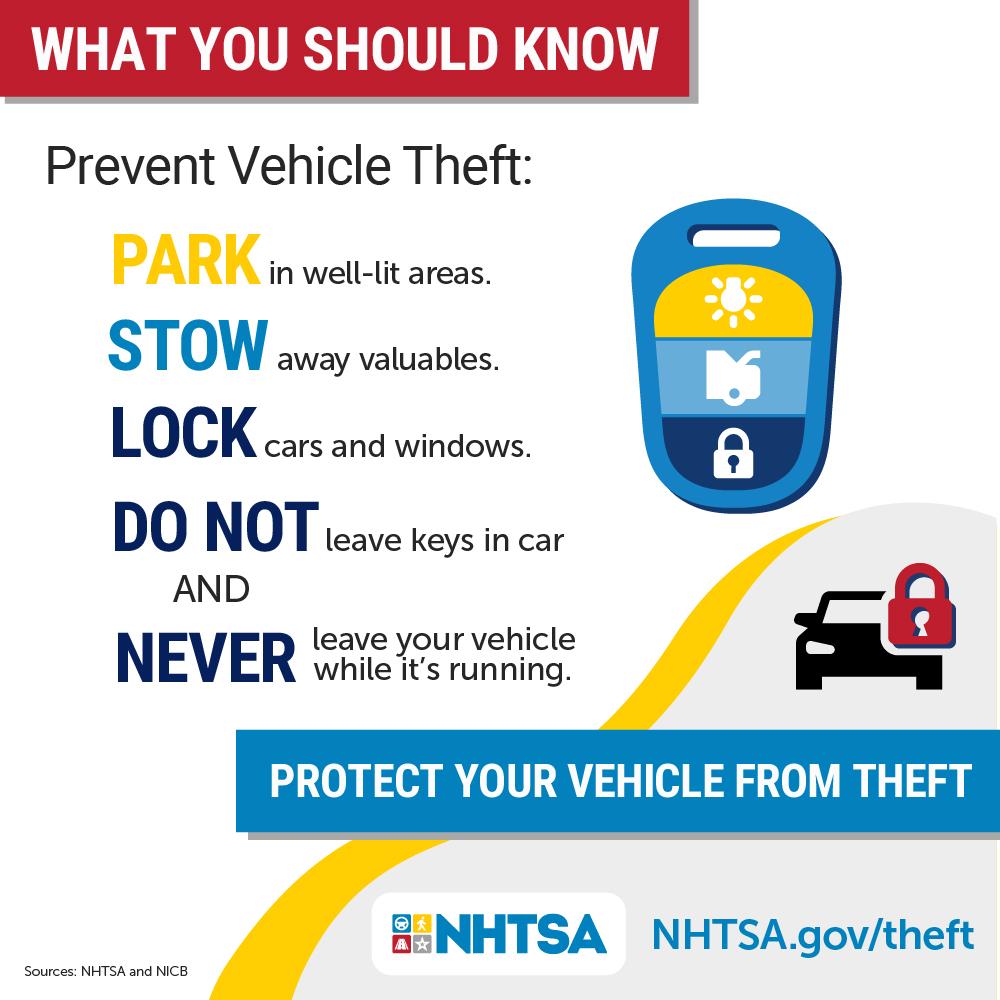
Equally important is safeguarding your personal belongings through thoughtful organization and limited exposure. Avoid leaving valuables in plain sight from windows or in vehicles, as this invites opportunistic theft. Consider using discreet safes for items such as passports, jewelry, and cash. Establishing a routine to lock doors immediately when leaving and employing smart home devices to remotely monitor entry points further elevate your defenses. These small but consistent actions build a resilient barrier that keeps both your home and valuables out of reach from potential threats.
- Install exterior lighting with motion sensors to illuminate dark areas.
- Use smart locks that allow remote access control and monitoring.
- Engage with neighbors through community watch apps or meetings.
- Maintain an inventory of your valuables and store them securely.
- Regularly check and update your home security systems to patch vulnerabilities.
Leveraging Technology and Community Resources to Enhance Safety
Integrating modern technology into your everyday safety routine can significantly reduce your vulnerability to theft and assault. From GPS tracking apps that allow trusted contacts to monitor your location during late-night commutes, to smart home devices that alert you to unusual activity, technology empowers you to stay vigilant. Wearable safety alarms, smartphone panic buttons, and community alert apps create real-time communication channels that enhance awareness and response times in critical situations.
Harnessing community resources is just as crucial. Local neighborhood watch programs and community safety groups foster a collective sense of responsibility, making public areas safer through vigilance and shared information. Consider participating in or organizing regular safety workshops and forums to exchange tips and updates. Building strong relationships with neighbors and local law enforcement can turn your community into a proactive safety network, creating deterrents against criminal activity through collaboration.
- Utilize safety apps: Download apps that let you send quick alerts or share your location with trusted contacts.
- Engage with local watch groups: Join or start community patrols to increase neighborhood vigilance.
- Stay informed: Subscribe to community bulletins and crime alert services for timely updates.
- Participate in safety training: Attend workshops that teach self-defense and situational awareness.
Key Takeaways
Staying safe in today’s world requires a blend of awareness, preparation, and common sense. By incorporating these top tips into your daily routine, you can significantly reduce your risk of becoming a target for theft or assault. Remember, personal safety starts with vigilance-trust your instincts, stay alert, and take proactive steps to protect yourself and your belongings. Safety isn’t about living in fear; it’s about empowering yourself to navigate your surroundings with confidence. Stay smart, stay aware, and most importantly, stay safe.Check Our Other Blogs
- StunGun – Your Trusted Source for Stun Guns, Laws, and Self-Defense Tips
- PepperSprayLaws – Your Trusted Resource for Pepper Spray Information
- StunGunLaws – Your Trusted Guide to Stun Gun Legality and Safety